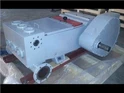

Hey there! As a supplier of API 675 pumps, I've seen firsthand the headaches that shaft corrosion can cause. It's not just a minor annoyance; it can seriously mess with the performance and lifespan of your pumps. So, in this blog, I'm gonna share some tips on how to prevent shaft corrosion in API 675 pumps.
First off, let's understand why shaft corrosion happens in the first place. API 675 pumps are often used in industrial settings where they're exposed to all sorts of harsh chemicals, high temperatures, and moisture. These conditions can create an environment where corrosion is likely to occur. The shaft, being a critical component, is particularly vulnerable.
One of the most effective ways to prevent shaft corrosion is through proper material selection. When choosing a shaft material for your API 675 pump, you need to consider the specific operating conditions. For example, if the pump is going to be used in a corrosive chemical environment, you might want to go for a stainless - steel shaft. Stainless steel contains chromium, which forms a passive oxide layer on the surface. This layer acts as a barrier, protecting the shaft from further corrosion. There are different grades of stainless steel, and you should pick the one that suits your needs best. For less aggressive environments, a lower - grade stainless steel might do the job, but in highly corrosive situations, a higher - grade alloy like duplex stainless steel could be a better choice.
Another option is to use coated shafts. Coatings can provide an extra layer of protection against corrosion. There are several types of coatings available, such as epoxy coatings, ceramic coatings, and polymer coatings. Epoxy coatings are popular because they're relatively easy to apply and can offer good resistance to chemicals and moisture. Ceramic coatings, on the other hand, are very hard and can withstand high temperatures and abrasion. Polymer coatings are flexible and can conform well to the shaft surface. When applying a coating, it's crucial to ensure that the surface of the shaft is properly prepared. Any dirt, grease, or rust should be removed before applying the coating to ensure good adhesion.
Proper lubrication is also key to preventing shaft corrosion. Lubricants not only reduce friction between moving parts but also act as a barrier against moisture and contaminants. In API 675 pumps, you need to use a lubricant that's compatible with the operating conditions. For example, if the pump is operating at high temperatures, you'll need a high - temperature lubricant. Make sure to follow the manufacturer's recommendations for lubricant type and change intervals. Regularly checking the lubricant level and quality is also important. If the lubricant becomes contaminated or breaks down, it won't be able to provide adequate protection.
Maintaining the right operating conditions is essential. Temperature and humidity can have a big impact on shaft corrosion. High humidity can increase the likelihood of moisture condensation on the shaft, which can lead to corrosion. If possible, try to control the environmental conditions around the pump. You can use dehumidifiers in areas with high humidity or install temperature - control systems to keep the pump operating within the recommended temperature range.
Regular inspection and maintenance are a must. You should inspect the shaft regularly for any signs of corrosion, such as rust spots, pitting, or discoloration. If you notice any early signs of corrosion, you can take action before it gets worse. This might involve cleaning the shaft, reapplying a coating, or replacing the shaft if the damage is severe. Keep a maintenance log to track the condition of the shaft over time. This can help you identify any trends and take preventive measures.
Now, let's talk about the importance of proper installation. A poorly installed pump can lead to uneven stress on the shaft, which can increase the risk of corrosion. Make sure that the pump is installed according to the manufacturer's instructions. The alignment of the pump and the motor is crucial. Misalignment can cause excessive vibration, which can damage the shaft and its protective coatings. Use precision alignment tools during installation to ensure that everything is in place.
When it comes to API 675 pumps, you can find more information about API 675 Diaphragm Pumps. These pumps have specific requirements, and understanding them can help you better prevent shaft corrosion.
In conclusion, preventing shaft corrosion in API 675 pumps requires a combination of proper material selection, coating, lubrication, maintenance, and installation. By taking these steps, you can extend the lifespan of your pumps and ensure their reliable performance.
If you're in the market for API 675 pumps or need more advice on preventing shaft corrosion, don't hesitate to reach out. We're here to help you make the best choices for your industrial needs. Whether you're a small - scale operation or a large - scale industrial facility, we've got the expertise and products to meet your requirements. Contact us today to start a discussion about your pump needs and how we can help you prevent shaft corrosion.
References

- "Handbook of Corrosion Prevention and Control" by Pierre R. Roberge
- Manufacturer's manuals for API 675 pumps
- Industry research papers on pump corrosion prevention