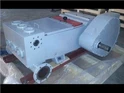

As a seasoned crosshead supplier, I've encountered numerous inquiries regarding the replaceability of crossheads. In the realm of industrial machinery, crossheads play a pivotal role, especially in reciprocating engines and pumps. This blog aims to delve into the question: Can a crosshead be replaced?
Understanding the Crosshead
Before we explore the replaceability of crossheads, it's essential to understand what a crosshead is and its functions. A crosshead is a mechanical component that guides the piston rod in a reciprocating engine or pump. It converts the linear motion of the piston into the rotational motion of the crankshaft. This conversion is crucial for the efficient operation of the machinery.
The crosshead is typically connected to the piston rod and the connecting rod. The Connecting Rod transfers the force from the piston to the crankshaft, while the crosshead ensures that the piston rod moves in a straight line, reducing friction and wear on the components.
Reasons for Crosshead Replacement
There are several reasons why a crosshead might need to be replaced. One of the most common reasons is wear and tear. Over time, the constant movement and high-pressure forces can cause the crosshead to wear down. This wear can lead to increased friction, reduced efficiency, and even damage to other components.
Another reason for replacement is damage. In some cases, the crosshead may be subjected to sudden impacts or excessive loads, which can cause cracks or other forms of damage. If left unaddressed, this damage can compromise the safety and performance of the machinery.
In addition, technological advancements may also prompt the replacement of crossheads. Newer crosshead designs may offer improved performance, efficiency, or durability. Upgrading to a newer crosshead can help businesses stay competitive and reduce operating costs in the long run.
The Replacement Process
The process of replacing a crosshead can be complex and requires careful planning and execution. Here are the general steps involved in the replacement process:
-
Inspection and Diagnosis: Before replacing the crosshead, a thorough inspection of the machinery is necessary. This inspection helps to identify the root cause of the problem and determine if the crosshead is indeed the component that needs to be replaced. The inspection may involve checking the wear and tear of the crosshead, as well as the condition of the Intermediate Rod (Screw Or Clamp Type) and other related components.
-
Shutdown and Preparation: Once the decision to replace the crosshead has been made, the machinery needs to be shut down safely. All power sources should be disconnected, and any residual pressure or energy should be released. The work area should also be cleaned and prepared to ensure a safe and efficient replacement process.
-
Removal of the Old Crosshead: The next step is to remove the old crosshead. This typically involves disconnecting the piston rod and the connecting rod from the crosshead. Special tools may be required to loosen and remove the bolts or other fasteners holding the crosshead in place. Care should be taken to avoid damaging the surrounding components during the removal process.
-
Installation of the New Crosshead: After the old crosshead has been removed, the new crosshead can be installed. The new crosshead should be carefully aligned with the piston rod and the connecting rod, and the bolts or fasteners should be tightened to the specified torque. It's important to follow the manufacturer's instructions and guidelines during the installation process to ensure proper fit and function.
-
Testing and Commissioning: Once the new crosshead has been installed, the machinery needs to be tested to ensure that it is operating correctly. This may involve running the machinery at low speeds and gradually increasing the load to check for any abnormal vibrations, noises, or other issues. If any problems are detected, they should be addressed immediately before the machinery is put back into full operation.
Factors Affecting Replaceability
While crossheads can generally be replaced, there are several factors that can affect the replaceability of a particular crosshead. One of the most important factors is the compatibility of the new crosshead with the existing machinery. The new crosshead must be designed to fit the specific make and model of the machinery, as well as the operating conditions and requirements.
Another factor is the availability of replacement parts. In some cases, the crosshead may be a custom or proprietary design, which can make it difficult to find a suitable replacement. It's important to work with a reliable supplier who can provide high-quality replacement parts and ensure their availability in a timely manner.
The cost of replacement is also an important consideration. Replacing a crosshead can be expensive, especially if it involves downtime and labor costs. Businesses need to weigh the cost of replacement against the benefits of improved performance, efficiency, and reliability.
Quality and Performance
When replacing a crosshead, it's crucial to choose a high-quality product that meets or exceeds the original specifications. A low-quality crosshead may not perform as well as the original, and it may also have a shorter lifespan, leading to more frequent replacements and increased costs.
As a crosshead supplier, we take pride in offering high-quality crossheads that are engineered for optimal performance and durability. Our crossheads are made from premium materials and undergo rigorous testing to ensure that they meet the highest standards of quality. We also offer a wide range of crosshead designs and configurations to meet the diverse needs of our customers.


In addition to crossheads, we also supply other related components, such as Intermediate Rod (Screw Or Clamp Type), Connecting Rod, and Ni-Aluminum Bronze Liquid Cylinder. Our comprehensive range of products allows us to provide our customers with a one-stop solution for their industrial machinery needs.
Conclusion
In conclusion, a crosshead can be replaced, and in many cases, replacement is necessary to maintain the performance and reliability of industrial machinery. However, the replacement process can be complex and requires careful planning and execution. It's important to work with a reliable supplier who can provide high-quality replacement parts and offer technical support and expertise.
If you're considering replacing a crosshead or have any questions about our products and services, please don't hesitate to reach out. We're here to help you find the best solution for your industrial machinery needs. Contact us today to start a discussion about your requirements and explore the possibilities of upgrading your crosshead.
References
- Machinery's Handbook, 31st Edition
- Industrial Pump Handbook, 2nd Edition
- ASME Boiler and Pressure Vessel Code