
Can a reciprocating pump be used for vacuum applications?
As a supplier of reciprocating pumps, I am often asked about the versatility of our products, especially regarding their suitability for vacuum applications. Reciprocating pumps are well - known for their positive displacement action, which makes them a reliable choice in many industrial settings. But can they be used to create and maintain a vacuum? Let's delve into this topic.
Understanding Reciprocating Pumps
Reciprocating pumps operate by the reciprocating motion of a piston, plunger, or diaphragm. This motion creates a cycle of suction and discharge, transferring fluid from one place to another. The basic design consists of a chamber with an inlet and an outlet, along with valves to control the flow direction. During the suction stroke, the piston moves in a way that increases the volume of the chamber, creating a low - pressure area. This causes the fluid to be drawn into the chamber through the inlet valve. On the discharge stroke, the volume of the chamber decreases, and the fluid is pushed out through the outlet valve.
Vacuum Fundamentals
A vacuum is defined as a space where the pressure is lower than the ambient atmospheric pressure. In industrial applications, vacuums are used for a variety of purposes such as material handling, drying processes, and degassing. The level of vacuum required can vary significantly, from a rough vacuum (close to atmospheric pressure) to a high - vacuum (very low pressure).
Suitability of Reciprocating Pumps for Vacuum Applications
Reciprocating pumps have certain characteristics that make them potentially suitable for vacuum applications. Firstly, their positive - displacement nature allows them to create a relatively low pressure in the suction chamber. As the piston or plunger moves, it can draw air or other gases into the chamber, starting the process of creating a vacuum.
For rough - vacuum applications, reciprocating pumps can be quite effective. They can achieve pressures in the range that is suitable for many common industrial processes. For example, in some material - handling operations where light suction is needed to move small parts or debris, a reciprocating pump can generate enough of a vacuum to do the job.
However, there are also limitations. One of the main challenges is achieving a high - level vacuum. The design of reciprocating pumps has some inherent leakage paths. For instance, the valves used in these pumps may not provide a perfect seal, allowing some back - flow of gas. Additionally, the wear and tear on the moving parts can also lead to increased leakage over time, which can limit the ability to maintain a very low pressure.
Another factor to consider is the type of gas or vapor being pumped. Reciprocating pumps are generally better suited for pumping dry gases. If the gas contains a significant amount of moisture or condensable vapors, it can cause problems. The moisture can damage the pump components, such as the valves and seals, and can also lead to reduced pump efficiency.
Advantages of Using Reciprocating Pumps in Vacuum Applications
Despite the limitations, there are several advantages to using reciprocating pumps for vacuum applications. One of the key benefits is their robustness. These pumps are built to withstand high - pressure differentials and can operate in harsh environments. They are often made from durable materials such as cast iron or stainless steel, which makes them resistant to corrosion and wear.
In terms of performance, reciprocating pumps can provide a relatively constant flow rate over a wide range of pressures. This is important in many applications where a stable vacuum is required. They also have a high volumetric efficiency, meaning they can move a large amount of fluid or gas per cycle.
Applications in the Industry
Reciprocating pumps find their place in various vacuum - related industrial applications. In the food and beverage industry, they can be used for vacuum packaging. By creating a vacuum inside the packaging, the shelf - life of the products can be extended. The pumps can quickly remove the air from the packages, ensuring a tight seal and preventing spoilage.
In the pharmaceutical industry, reciprocating pumps can be used in vacuum drying processes. These processes are used to remove solvents from pharmaceutical products, and a reliable vacuum source is essential. The pumps' ability to handle different pressures and flow rates makes them a suitable choice for these applications.
Our Product Offerings
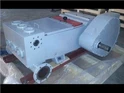
As a reciprocating pump supplier, we offer a range of products that can be used for vacuum applications. Our TRENCHLESS TECHNOLOGY (HDD) Pump is designed for high - performance in demanding environments. It has a well - engineered valve system that can help reduce leakage and improve the vacuum performance.
The Triplex Pump is another option. With its three - piston design, it can provide a more consistent flow and better vacuum generation compared to single - piston pumps. It is suitable for a wide range of industrial applications, including those requiring vacuum conditions.
Our Water Injection Pump can also be adapted for some vacuum - related applications. While it is primarily designed for injecting water into systems, its design can be modified to handle gas pumping and vacuum creation in certain scenarios.
Contact for Procurement and Consultation
If you are considering using reciprocating pumps for your vacuum applications, we are here to help. Our team of experts can provide detailed information about our products, including their performance characteristics, maintenance requirements, and suitability for your specific needs. Whether you need a pump for a small - scale laboratory application or a large industrial process, we have the knowledge and experience to assist you. Reach out to us to start a conversation about your project requirements and explore how our reciprocating pumps can meet your vacuum - related needs.
References
- Karassik, I. J., Messina, J. P., Cooper, P. T., & Heald, C. C. (2008). Pump Handbook. McGraw - Hill Professional.
- ISO 13709:2003. Petroleum, petrochemical and natural gas industries - Centrifugal pumps for general refinery services.
I hope this blog has provided you with valuable insights into the use of reciprocating pumps for vacuum applications. If you have any further questions or need more information, feel free to ask.