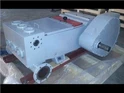

Hey there! I'm a supplier of LEED 165, and I often get asked about how often the LEED 165 gets updated. So, I thought I'd write this blog to share some insights on that.


First off, let me give you a bit of background about the LEED 165. It's a top - notch well - service pump, and you can check out more details about it on this page: LEED 165. It's a reliable piece of equipment that has been serving well - service industries for quite a while.
The update frequency of the LEED 165 isn't set in stone. It depends on a bunch of factors. One of the main factors is technological advancements. The world of pump technology is constantly evolving. New materials are being developed that can make pumps more efficient, durable, and resistant to corrosion. For example, advancements in metallurgy can lead to the use of stronger and lighter alloys in the construction of the pump components. When these new technologies become available and can significantly improve the performance of the LEED 165, an update is likely.
Another factor is customer feedback. We, as a supplier, pay a lot of attention to what our customers have to say. If they're facing issues with a particular feature of the LEED 165, like maybe the pump's flow rate isn't meeting their requirements in certain applications, or they're having problems with the maintenance process, we take that into account. We'll work with our R & D team to see if we can address these issues through an update.
Industry regulations also play a big role. As environmental and safety regulations change, the LEED 165 may need to be updated to comply with these new rules. For instance, if there are new standards for energy efficiency in pumps, we'll have to make sure the LEED 165 meets those requirements.
On average, we see a major update to the LEED 165 every 3 - 5 years. These major updates usually involve significant changes to the design, materials, or functionality of the pump. For example, a previous major update introduced a new impeller design that increased the pump's efficiency by nearly 15%.
In between these major updates, we also do minor tweaks and improvements. These could be as simple as changing the type of lubricant used in the bearings to extend their lifespan or making small adjustments to the control panel to make it more user - friendly. Minor updates can happen more frequently, sometimes once or twice a year.
To put things in perspective, let's compare the LEED 165 with some of our other products, like the JWS185 and JWS340. The JWS185 is a smaller - scale pump designed for less demanding applications. It has a slightly different update cycle, with major updates every 4 - 6 years due to its relatively stable user base and design requirements. The JWS340, on the other hand, is a high - performance pump used in more complex well - service operations. It often gets more frequent updates, sometimes even more often than the LEED 165, because of the rapid changes in the high - end well - service market.
One of the advantages of our approach to updating the LEED 165 is that it allows us to keep the pump relevant and competitive in the market. When we do an update, we're not just making cosmetic changes. We're actually improving the performance, reliability, and ease of use of the pump. This means that customers who invest in the LEED 165 can be confident that they're getting a product that is up - to - date with the latest technology and industry standards.
As a supplier, we also provide support to our customers during the transition to updated versions. If you're currently using an older version of the LEED 165 and we release a new update, we can offer guidance on whether it's worth upgrading for your specific application. We'll look at factors like your usage patterns, the performance requirements of your well - service operations, and your budget.
If you're in the market for a well - service pump, whether it's the LEED 165 or one of our other products, I encourage you to reach out. We can have a detailed discussion about your needs, the features of our pumps, and how our update process can benefit you. We're here to help you make the best decision for your well - service business. So, don't hesitate to start a conversation about potential purchases and get the right pump for your operation.
References
- Industry reports on well - service pump technology trends
- In - house product development records for LEED 165, JWS185, and JWS340