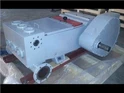

Hey there! As a piston pump supplier, I often get asked about the flow rate range of piston pumps. It's a crucial aspect to understand, especially if you're in the market for one. So, let's dive right into it.
First off, what exactly is a piston pump? Well, it's a type of positive displacement pump that uses reciprocating pistons to move fluid through a system. These pumps are known for their high efficiency, reliability, and ability to handle a wide range of fluids, from water and oil to more viscous substances like slurries and mud.
Now, let's talk about the flow rate range. The flow rate of a piston pump can vary significantly depending on several factors, including the pump's design, size, operating pressure, and the type of fluid being pumped. Generally speaking, piston pumps can have flow rates anywhere from a few liters per minute to several thousand liters per minute.
For smaller, low-pressure piston pumps, you might see flow rates in the range of 1 - 10 liters per minute. These pumps are often used in applications where a small, precise amount of fluid needs to be delivered, such as in laboratory equipment or small-scale chemical processing.
On the other hand, larger, high-pressure piston pumps can handle much higher flow rates. In industrial settings, you can find piston pumps with flow rates of 100 - 1000 liters per minute or even more. These pumps are commonly used in applications like oil and gas production, mining, and high-pressure cleaning.
Let's take a closer look at some specific types of piston pumps and their typical flow rate ranges.

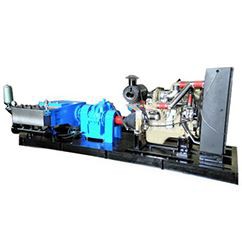
High Pressure Slurry Pump
A High Pressure Slurry Pump is designed to handle abrasive and viscous slurries. These pumps need to be able to move large volumes of slurry at high pressures to ensure efficient operation. The flow rate of a high-pressure slurry pump can range from 50 - 500 liters per minute, depending on the pump's size and the specific requirements of the application.
Mud Pump
Mud pumps are used in the oil and gas industry to circulate drilling mud during the drilling process. These pumps need to be able to deliver a consistent flow of mud at high pressures to keep the drill bit cool and remove cuttings from the wellbore. The flow rate of a mud pump can vary from 100 - 1000 liters per minute, depending on the depth and diameter of the well being drilled.
It's important to note that these are just general ranges, and the actual flow rate of a piston pump can be adjusted by changing the pump's speed, stroke length, or the number of pistons. Additionally, the viscosity and density of the fluid being pumped can also have a significant impact on the flow rate.
When selecting a piston pump for your application, it's crucial to consider the required flow rate, as well as the operating pressure, the type of fluid, and the overall system requirements. Choosing the right pump with the appropriate flow rate range will ensure optimal performance and efficiency.
If you're still unsure about which piston pump is right for you, or if you have any questions about flow rates or other aspects of piston pumps, don't hesitate to reach out. As a piston pump supplier, I'm here to help you find the best solution for your needs. Whether you're a small business looking for a compact pump or a large industrial operation in need of a high-capacity pump, we have a wide range of options to choose from.
Contact us today to discuss your requirements and start the procurement process. We'll work with you to understand your specific needs and provide you with a pump that meets your expectations.
References
- "Pump Handbook" by Igor Karassik et al.
- "Positive Displacement Pumps: Fundamentals and Applications" by Norman Chigier.