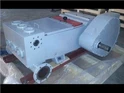

As a supplier of JWS340, I understand the importance of proper disposal of this equipment. In this blog post, I will share some guidelines on how to dispose of JWS340 properly, taking into account environmental regulations and best practices.
Understanding JWS340
Before discussing disposal methods, it's essential to have a clear understanding of what JWS340 is. The JWS340 is a well - service pump that is widely used in the oil and gas industry. It is designed to handle high - pressure and high - volume fluid transfer operations. The pump is made up of various components, including metal parts, rubber seals, and electrical components.
Why Proper Disposal Matters
Proper disposal of JWS340 is crucial for several reasons. Firstly, it helps to protect the environment. Many of the materials used in the construction of JWS340 can be harmful if released into the environment. For example, some of the lubricants and fluids used in the pump may contain heavy metals or other toxic substances. If these are not disposed of correctly, they can contaminate soil, water, and air.
Secondly, proper disposal ensures compliance with local and national regulations. There are strict laws governing the disposal of industrial equipment, especially those used in the oil and gas sector. Failure to comply with these regulations can result in significant fines and legal consequences for your company.
Pre - Disposal Assessment
Before disposing of JWS340, a thorough assessment should be carried out. This assessment will help determine the most appropriate disposal method.
- Component Inspection: Examine each component of the JWS340. Check for signs of wear, damage, or contamination. Components that are still in good condition may be suitable for reuse or recycling. For example, metal parts can often be recycled, while rubber seals may need to be disposed of as hazardous waste if they are contaminated with oil or other chemicals.
- Fluid Drainage: Ensure that all fluids, such as lubricants, hydraulic fluids, and any remaining process fluids, are drained from the pump. These fluids should be collected in appropriate containers and labeled correctly. They may need to be sent to a specialized facility for proper treatment and disposal.
Disposal Methods
There are several disposal methods available for JWS340, depending on the condition of the equipment and local regulations.
Recycling
Recycling is one of the most environmentally friendly disposal methods. Many of the components of JWS340 can be recycled.
- Metal Recycling: The majority of the JWS340 is made of metal, such as steel and aluminum. These metals can be melted down and reused to manufacture new products. Contact a local metal recycling facility to arrange for the collection and recycling of the metal parts. Make sure to provide them with accurate information about the type and quantity of metal.
- Electrical Component Recycling: Electrical components, such as motors and control panels, can also be recycled. These components often contain valuable metals and materials that can be recovered. Look for a recycling facility that specializes in electrical waste recycling.
Reuse
If the JWS340 is still in working condition or can be easily repaired, consider reusing it. You can sell the pump to another company in need of a well - service pump. Alternatively, you can donate it to a training institution or a non - profit organization that can make use of it. The JWS185 and LEED 165 are also well - service pumps in our product line, and similar reuse strategies can be applied to them.
Hazardous Waste Disposal
Some components of JWS340 may be classified as hazardous waste. This includes contaminated rubber seals, certain types of lubricants, and any parts that have been exposed to toxic chemicals.
- Identification: Identify which components are hazardous waste based on their chemical composition and the level of contamination. Consult local regulations to determine the specific criteria for hazardous waste classification.
- Specialized Disposal: Hazardous waste must be disposed of at a specialized facility. These facilities have the necessary equipment and expertise to handle and treat hazardous materials safely. Contact a licensed hazardous waste disposal company to arrange for the collection and transportation of the hazardous components.
Documentation and Record - Keeping
Throughout the disposal process, it is essential to maintain detailed documentation. This documentation will serve as proof of proper disposal and can be used to demonstrate compliance with regulations.
- Disposal Records: Keep records of all disposal activities, including the date of disposal, the method of disposal, the name and contact information of the disposal facility or company, and the quantity and type of materials disposed of.
- Certificates of Disposal: Obtain certificates of disposal from the recycling facilities, hazardous waste disposal companies, or other entities involved in the disposal process. These certificates should confirm that the JWS340 was disposed of in accordance with all applicable regulations.
Training and Education
Ensure that all employees involved in the disposal process are properly trained. Training should cover topics such as the identification of hazardous materials, proper handling and storage of fluids, and the correct use of disposal equipment. By providing comprehensive training, you can minimize the risk of improper disposal and ensure that all employees understand their responsibilities.


Conclusion
Proper disposal of JWS340 is not only an environmental responsibility but also a legal requirement. By following the guidelines outlined in this blog post, you can ensure that your JWS340 is disposed of in a safe and environmentally friendly manner.
If you are in the market for a well - service pump like the JWS340, or if you have any questions about our products or proper disposal methods, we encourage you to reach out to us for a procurement discussion. We are committed to providing high - quality products and excellent customer service.
References
- Environmental Protection Agency. (Year). Regulations on Industrial Equipment Disposal.
- Oil and Gas Industry Standards Association. (Year). Best Practices for Well - Service Pump Disposal.