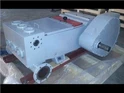

Hey there! As a supplier of the JWS340, I often get asked about its frequency range. In this blog, I'll dive deep into that topic and give you all the info you need.
First off, let's talk a bit about the JWS340. It's a top - notch piece of equipment, and you can check out more details about it on this JWS340 page. The JWS340 is known for its reliability and high - performance in various well - service applications.
Now, onto the frequency range. The JWS340 operates within a specific frequency band that's carefully calibrated to ensure optimal functionality. The frequency range of the JWS340 typically lies between 50 Hz and 60 Hz. This range is quite common in many electrical systems around the world. The 50 Hz frequency is widely used in Europe, Asia, and Africa, while 60 Hz is the standard in North America and parts of South America.
The reason for this frequency range is to make the JWS340 compatible with different power grids across the globe. When you're dealing with well - service pumps, it's crucial that they can work seamlessly with the local power supply. The engineers who designed the JWS340 took this into account, and that's why it has this flexible frequency range.
Let's compare the JWS340 with some other models in our product line. Take the JWS185 for example. The JWS185 also has a similar frequency range, but it's more suited for smaller - scale well - service operations. It can handle less volume compared to the JWS340, but it's still a great option for those with less demanding needs.
Another model is the LEED 165. This one has a slightly different frequency range, optimized for specific types of well - service tasks. It's designed to work in environments where a more specialized frequency setting is required.
The frequency of the JWS340 has a direct impact on its performance. At 50 Hz, the pump might operate at a slightly different speed compared to when it's running at 60 Hz. This can affect the flow rate and the pressure that the pump can generate. Generally, a higher frequency like 60 Hz will result in a faster - running pump, which can lead to a higher flow rate. But it also means that the pump might consume more power.
When you're choosing the right frequency for your JWS340, you need to consider your specific requirements. If you're in an area with a 50 Hz power grid, then that's the obvious choice. But if you have the option to switch between frequencies, you need to think about the task at hand. For example, if you need a high - volume flow quickly, 60 Hz might be the better option. However, if power consumption is a concern, 50 Hz could be more suitable.
In terms of maintenance, the frequency can also play a role. A pump running at a higher frequency might experience more wear and tear over time. So, if you're using the JWS340 at 60 Hz regularly, you might need to keep a closer eye on its components and perform maintenance more frequently.
The JWS340's frequency range is also important for safety. The pump is designed to operate safely within this 50 - 60 Hz range. If you try to run it outside of this range, it could lead to overheating, electrical malfunctions, or even damage to the pump itself. So, always make sure that the power supply frequency matches the recommended range.
Now, you might be wondering how to ensure that your JWS340 is operating at the right frequency. Well, most modern power grids are very stable, and the frequency is usually consistent. But if you're using a generator or an alternative power source, you need to double - check the frequency output. You can use a frequency meter to measure the frequency of the power supply and make sure it's within the 50 - 60 Hz range.
The frequency range of the JWS340 is a key factor that affects its performance, compatibility, and safety. Whether you're a small - scale well - service operator or a large - scale industrial user, understanding this frequency range is essential for getting the most out of your JWS340.
If you're interested in purchasing the JWS340 or have any questions about its frequency range or other features, I encourage you to reach out. We're here to help you make the right choice for your well - service needs. Don't hesitate to contact us for more information and to start a procurement discussion.
References:


- Product manuals for JWS340, JWS185, and LEED 165
- Industry standards for well - service pumps and electrical frequency compatibility