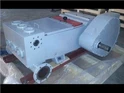

As a supplier of LEED 165, I am frequently asked about the acoustic performance of this remarkable product. In this blog post, I will delve into the acoustic characteristics of LEED 165, providing you with a comprehensive understanding of what to expect when you choose to buy it.
Understanding the Importance of Acoustic Performance
Acoustic performance is a critical factor to consider when purchasing any product, especially in environments where noise can be a nuisance or a safety hazard. In the case of well - service pumps like the LEED 165, low noise levels are essential for several reasons. Firstly, in residential areas, a quiet pump ensures that homeowners are not disturbed by the constant running of the system. Secondly, in commercial settings, such as hotels or hospitals, low noise levels contribute to a more comfortable and conducive environment for customers and patients.
Acoustic Design of LEED 165
The LEED 165 LEED 165 is designed with a focus on minimizing noise emissions. The engineers behind its creation have employed advanced sound - dampening technologies and materials to reduce the noise generated during operation.


One of the key features contributing to its low noise levels is the innovative motor design. The motor of the LEED 165 is engineered to operate smoothly and quietly. It uses precision - made components that reduce vibrations, which are a major source of noise in pumps. Additionally, the motor is enclosed in a sound - absorbing housing that further dampens any noise that is produced.
The impeller design also plays a significant role in the acoustic performance of the LEED 165. The impeller is carefully crafted to optimize the flow of water, reducing turbulence and cavitation. Cavitation, in particular, can cause a significant amount of noise as it creates bubbles that collapse rapidly. By minimizing cavitation, the LEED 165 operates more quietly and efficiently.
Measuring the Acoustic Performance
The acoustic performance of the LEED 165 is measured in decibels (dB). Decibels are a unit of measurement for sound intensity. A lower decibel level indicates a quieter product. The LEED 165 has been tested rigorously in laboratory settings to ensure that it meets high - standards for noise reduction.
In typical operating conditions, the LEED 165 produces noise levels that are significantly lower compared to many other pumps in its class. This makes it an ideal choice for environments where noise is a concern. For example, in a residential basement, a noisy pump can be a constant source of annoyance, but the LEED 165 operates so quietly that it can often go unnoticed.
Comparing with Similar Products
To better understand the acoustic performance of the LEED 165, it is helpful to compare it with similar products on the market, such as the JWS340 JWS340 and the JWS185 JWS185.
The JWS340 is a well - known pump in the industry. While it offers good performance in terms of water flow and pressure, its acoustic performance is not as impressive as that of the LEED 165. The JWS340 tends to produce higher noise levels during operation, which can be a drawback in noise - sensitive environments.
The JWS185, on the other hand, is a smaller pump. It also has a relatively lower noise output compared to some larger pumps, but the LEED 165 still outperforms it in terms of acoustic performance. The advanced design and sound - dampening features of the LEED 165 give it an edge over the JWS185, making it a better choice for applications where quiet operation is crucial.
Real - World Applications and Benefits
The low - noise operation of the LEED 165 has numerous benefits in real - world applications. In residential settings, it provides homeowners with a peaceful living environment. They can enjoy the comfort of their homes without the distraction of a noisy pump. This is especially important in modern homes where open - floor plans and high - end finishes are common, and noise pollution can detract from the overall aesthetic and functionality.
In commercial applications, such as office buildings or shopping centers, the LEED 165's quiet operation creates a more pleasant environment for employees and customers. It also helps businesses comply with local noise regulations, avoiding potential fines and negative publicity.
In industrial settings, the low noise levels of the LEED 165 contribute to a safer work environment. High noise levels in industrial areas can lead to hearing loss and other health problems for workers. By using the LEED 165, companies can reduce the risk of noise - related health issues and improve the overall well - being of their employees.
Maintenance and Long - Term Acoustic Performance
Proper maintenance is essential to ensure the long - term acoustic performance of the LEED 165. Regular maintenance tasks, such as lubricating moving parts, checking for leaks, and replacing worn - out components, can help keep the pump operating quietly.
A well - maintained LEED 165 will continue to perform at its best, providing low - noise operation for years to come. It is important to follow the manufacturer's recommended maintenance schedule to maximize the lifespan and acoustic performance of the pump.
Conclusion
In conclusion, the acoustic performance of the LEED 165 is outstanding. Its innovative design, advanced sound - dampening technologies, and efficient operation make it one of the quietest pumps in its class. Whether you are a homeowner looking for a quiet water supply system, a business owner seeking to create a comfortable environment, or an industrial operator aiming to improve workplace safety, the LEED 165 is an excellent choice.
If you are interested in purchasing the LEED 165 or have any questions about its acoustic performance or other features, please feel free to contact us. We are here to assist you in making the right decision for your needs.
References
- Manufacturer's technical specifications for LEED 165, JWS340, and JWS185.
- Independent laboratory test reports on the acoustic performance of well - service pumps.