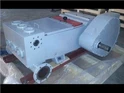

Hey there! I'm a supplier of API 610 pumps, and today I wanna talk about the specific requirements of the water treatment industry for these pumps. As someone deeply involved in this field, I've seen firsthand how crucial it is for pumps to meet the unique demands of water treatment processes.
1. Material Compatibility
One of the most important requirements in the water treatment industry is material compatibility. Water treatment often involves dealing with various chemicals, such as chlorine, acids, and alkalis. These chemicals can be highly corrosive, so the materials used in API 610 pumps need to be able to withstand their effects.
For instance, in a water treatment plant where chlorine is used for disinfection, the pump components that come into contact with the water need to be made of corrosion - resistant materials like stainless steel or special alloys. Stainless steel is a popular choice because it offers good resistance to general corrosion and pitting. However, in more aggressive environments, higher - grade alloys such as duplex stainless steel or even titanium may be required.
Another aspect of material compatibility is the resistance to abrasion. In some water treatment processes, the water may contain suspended solids like sand or silt. These solids can cause significant wear on the pump impeller, casing, and other internal components. To address this issue, pumps may need to be equipped with wear - resistant materials or linings. For example, rubber linings can be used to protect the internal surfaces of the pump from abrasion, especially in applications where the water contains a high concentration of solids.
2. Performance and Efficiency
The water treatment industry requires pumps to have high performance and efficiency. In many cases, large volumes of water need to be moved continuously, and any inefficiency in the pump can lead to increased energy consumption and operating costs.
API 610 pumps are designed to meet strict performance standards. They need to be able to deliver the required flow rate and head pressure consistently. For example, in a water supply system for a city, the pump needs to be able to provide a sufficient amount of water at a constant pressure to meet the demand of thousands of households and businesses.
Efficiency is also a key factor. Modern API 610 pumps are often equipped with advanced impeller designs and motor technologies to improve their energy efficiency. Variable frequency drives (VFDs) are commonly used to control the pump speed according to the actual demand. By adjusting the pump speed, the VFD can reduce energy consumption during periods of low demand, which not only saves money but also extends the lifespan of the pump.
3. Reliability and Durability
Reliability is of utmost importance in the water treatment industry. A pump failure can disrupt the entire water treatment process, leading to water shortages, contamination, and other serious problems. API 610 pumps are built to be highly reliable, with strict manufacturing and testing standards.
These pumps are designed to operate continuously for long periods without breakdowns. They are equipped with high - quality bearings, seals, and other components to ensure smooth operation. For example, the seals in API 610 pumps are designed to prevent leakage of the pumped fluid, which is crucial in water treatment applications where any leakage can cause environmental pollution or health risks.
Durability is also related to the pump's ability to withstand harsh operating conditions. In addition to the corrosive and abrasive environments mentioned earlier, pumps in the water treatment industry may also be exposed to high temperatures, high pressures, and frequent start - stop cycles. API 610 pumps are engineered to handle these conditions, with features such as heavy - duty casings and robust mechanical designs.
4. Compliance with Standards and Regulations
The water treatment industry is highly regulated, and pumps need to comply with a variety of standards and regulations. API 610 itself is a well - recognized standard for centrifugal pumps in the petroleum, petrochemical, and natural gas industries, but in the water treatment field, there are also other relevant standards.


For example, pumps used in drinking water treatment need to comply with standards related to water quality and safety. They should not release any harmful substances into the water, and the materials used in the pump construction should be approved for contact with drinking water. In addition, there are also regulations regarding noise levels, energy efficiency, and environmental protection.
5. Specialized Applications
In the water treatment industry, there are also some specialized applications that require specific types of API 610 pumps.
- Dense - phase CO2 Injection: For applications like Fully Automatic Unmanned - attended Dense - phase CO2 Injection Pump Unit, the pump needs to be able to handle high - pressure and high - density CO2. These pumps are designed to inject CO2 into the water treatment process for various purposes, such as pH adjustment or enhanced precipitation.
- Supercritical Extraction: Supercritical Extraction CO2 Pump is used in supercritical extraction processes in water treatment. Supercritical CO2 has unique properties that make it an effective solvent for removing contaminants from water. The pump needs to be able to maintain the supercritical state of CO2 and provide the necessary flow and pressure for the extraction process.
- Supercritical State CO2 Fluid Circulation: Supercritical State CO2 (S - CO2) Fluid Circulation Booster Pump is used to circulate supercritical CO2 fluid in a closed - loop system. This type of pump is crucial for applications where continuous circulation of supercritical CO2 is required for efficient water treatment.
Contact for Purchase and Negotiation
If you're in the water treatment industry and looking for high - quality API 610 pumps that meet all the specific requirements mentioned above, I'd love to have a chat with you. Whether you need a standard pump or a specialized one for a particular application, I can provide you with the right solutions. Don't hesitate to reach out for more information and to start the procurement negotiation process.
References
- API Standard 610, "Centrifugal Pumps for General Refinery Service", American Petroleum Institute.
- Water Treatment Handbook, various editions, containing information on water treatment processes and equipment requirements.