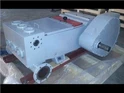

Hey there! As a supplier of piston pumps, I've seen firsthand the importance of safety when using these powerful machines. Piston pumps are widely used in various industries, from oil and gas to mining and construction, and they play a crucial role in many operations. But with great power comes great responsibility, and it's essential to take the right safety precautions to avoid accidents and ensure smooth and efficient operation. In this blog post, I'll share some key safety tips that you should keep in mind when using piston pumps.
1. Read the Manual
This might seem like a no - brainer, but you'd be surprised how many people skip this step. The manufacturer's manual is your go - to guide for everything related to the piston pump, including installation, operation, maintenance, and safety. It contains detailed information about the pump's specifications, recommended operating conditions, and potential hazards. Before you even think about starting the pump, take the time to read the manual thoroughly. Make sure you understand all the instructions and warnings. If you have any questions, don't hesitate to contact the manufacturer or your supplier (that's me!).
2. Wear the Right Safety Gear
When you're working with a piston pump, you're exposed to various risks, such as high - pressure fluids, moving parts, and noise. That's why it's crucial to wear the appropriate safety gear. Here are some essential items you should have:
- Safety glasses: Protect your eyes from flying debris, splashes of fluid, and dust.
- Hearing protection: Piston pumps can be quite noisy, especially at high speeds. Earplugs or earmuffs can help prevent hearing damage.
- Gloves: Choose gloves that are resistant to the fluids being pumped. This will protect your hands from chemical burns and cuts.
- Safety shoes: Steel - toed shoes can protect your feet from heavy objects and potential impacts.
- Protective clothing: Wear long - sleeved shirts and pants to protect your skin from contact with fluids and abrasions.
3. Inspect the Pump Regularly
Regular inspections are key to ensuring the safe operation of your piston pump. Before each use, visually inspect the pump for any signs of damage, such as cracks, leaks, or loose parts. Check the hoses, fittings, and connections to make sure they are secure and in good condition. Look for any signs of wear on the pistons, valves, and seals. If you notice any issues, don't operate the pump until you've addressed them. It's also a good idea to perform more in - depth inspections on a regular basis, such as monthly or quarterly, depending on how often the pump is used.
4. Follow Proper Installation Procedures
Proper installation is critical for the safe and efficient operation of a piston pump. Make sure the pump is installed on a stable and level surface. Follow the manufacturer's instructions for mounting the pump and connecting the hoses and pipes. Ensure that all electrical connections are made correctly and that the pump is properly grounded. Incorrect installation can lead to vibrations, leaks, and even electrical hazards. If you're not confident in your ability to install the pump yourself, it's best to hire a professional.
5. Be Careful with High - Pressure Fluids
Piston pumps are designed to handle high - pressure fluids, which can be extremely dangerous if not handled properly. When working with high - pressure systems, always follow these safety rules:
- Relieve pressure before making any adjustments or repairs: Use the proper procedures to relieve the pressure in the system before you start working on the pump or any of its components. This will prevent sudden releases of high - pressure fluid, which can cause serious injuries.
- Use the right hoses and fittings: Make sure the hoses and fittings you use are rated for the pressure and type of fluid being pumped. Using incorrect hoses or fittings can lead to leaks and failures.
- Avoid sudden pressure changes: Rapid changes in pressure can cause damage to the pump and the system. When starting or stopping the pump, do it gradually to minimize pressure spikes.
6. Keep the Area Clean and Organized
A clean and organized work area is not only more efficient but also safer. Keep the area around the piston pump free of clutter, tools, and debris. This will reduce the risk of tripping and falling. Make sure there is enough space around the pump for maintenance and operation. Also, keep any flammable materials away from the pump, as some piston pumps can generate heat and sparks.
7. Train Your Staff
If you have employees who will be operating the piston pump, it's essential to provide them with proper training. Training should cover all aspects of the pump's operation, including safety procedures, maintenance, and troubleshooting. Make sure your staff understands the potential hazards associated with the pump and knows how to respond in case of an emergency. Regular refresher courses can also help keep your employees up - to - date on the latest safety practices.
8. Maintain the Pump Properly
Regular maintenance is essential for the long - term safety and performance of your piston pump. Follow the manufacturer's recommended maintenance schedule, which may include tasks such as changing the oil, replacing filters, and inspecting the valves and seals. Proper maintenance will help prevent breakdowns and extend the life of the pump. If you're not familiar with the maintenance procedures, you can always contact your supplier or a professional service technician.
9. Be Prepared for Emergencies
Even with all the safety precautions in place, emergencies can still happen. That's why it's important to be prepared. Have an emergency plan in place that outlines the steps to take in case of a fire, explosion, or other serious incident. Make sure all employees are familiar with the emergency plan and know where the emergency exits, fire extinguishers, and first - aid kits are located. Conduct regular emergency drills to ensure that everyone knows what to do in a real - life situation.
Conclusion
Using piston pumps safely is of utmost importance. By following these safety precautions, you can minimize the risk of accidents and ensure the smooth and efficient operation of your pump. Remember, safety is not just a one - time thing; it's an ongoing commitment. Whether you're using a Mud Pump in the oilfield or a High Pressure Slurry Pump in a mining operation, always prioritize safety.
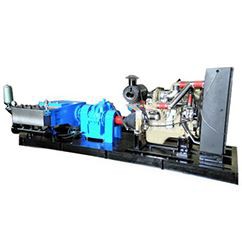

If you're in the market for a new piston pump or need more information about safety and maintenance, don't hesitate to reach out. We're here to help you make the right choice and ensure that your pump operates safely and effectively. Contact us today to start a conversation about your piston pump needs.
References
- Manufacturer's manuals for piston pumps
- Industry safety standards and guidelines for pump operation
- Safety training materials and courses