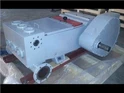

Hey there! As a supplier of reciprocating pumps, I often get asked about the monitoring parameters for these nifty machines. Reciprocating pumps are widely used in various industries, from oil and gas to chemical processing, thanks to their ability to handle high pressures and deliver precise flow rates. In this blog post, I'll walk you through the key monitoring parameters you should keep an eye on to ensure your reciprocating pump runs smoothly and efficiently.


Pressure
One of the most critical monitoring parameters for a reciprocating pump is pressure. Both the inlet and outlet pressures need to be monitored closely to ensure the pump is operating within its designed range. If the inlet pressure is too low, it can cause cavitation, which is when bubbles form in the liquid due to low pressure and then collapse, causing damage to the pump components. On the other hand, if the outlet pressure is too high, it can put excessive stress on the pump and its piping system, leading to leaks or even pump failure.
To monitor pressure, you can install pressure gauges at the inlet and outlet of the pump. These gauges provide a visual indication of the pressure, allowing you to quickly identify any abnormal readings. Additionally, you can use pressure transmitters to send the pressure data to a control system or a monitoring device, which can then trigger alarms if the pressure goes outside the acceptable range. For more information on pumps designed to meet high - pressure standards, you can check out API674 Pumps.
Flow Rate
The flow rate is another important parameter to monitor. The flow rate of a reciprocating pump refers to the volume of fluid that the pump can deliver per unit of time. Monitoring the flow rate helps you ensure that the pump is delivering the required amount of fluid to the system. A decrease in flow rate can indicate several issues, such as worn - out valves, a clogged suction line, or a problem with the pump's drive mechanism.
You can measure the flow rate using a flow meter. There are various types of flow meters available, such as positive displacement flow meters, which are well - suited for reciprocating pumps because they can accurately measure the flow of viscous and non - viscous fluids. If you're interested in positive displacement pumps, you can visit Positive Displacement Pumps for more details.
Temperature
Temperature monitoring is crucial for the proper operation of a reciprocating pump. High temperatures can cause the lubricating oil to break down, leading to increased friction and wear on the pump components. It can also cause thermal expansion, which may result in misalignment and leaks.
You should monitor the temperature of the pump casing, the bearings, and the lubricating oil. Temperature sensors can be installed at these locations to measure the temperature continuously. If the temperature exceeds the recommended limit, it's a sign that there may be a problem, such as a lack of lubrication or excessive friction. For pumps used in applications where temperature control is especially important, like water injection in oil fields, you might want to look into Water Injection Pump.
Vibration
Vibration is a tell - tale sign of potential problems in a reciprocating pump. Excessive vibration can be caused by unbalanced rotating parts, misaligned couplings, or worn - out bearings. Over time, high - level vibration can lead to premature failure of the pump components and can also cause damage to the surrounding equipment.
To monitor vibration, you can use vibration sensors. These sensors can detect the amplitude and frequency of the vibration. By analyzing the vibration data, you can identify the source of the problem and take corrective action before it causes significant damage.
Lubrication
Proper lubrication is essential for the smooth operation and longevity of a reciprocating pump. Monitor the lubricating oil level, its quality, and the temperature of the oil. A low oil level can lead to inadequate lubrication, while contaminated or degraded oil can cause increased wear and tear on the pump components.
You can check the oil level using a sight glass or a dipstick. Regular oil analysis can help you determine the quality of the oil, including its viscosity, contamination level, and the presence of wear particles. Based on the analysis results, you can decide whether to change the oil or add additives to improve its performance.
Valve Performance
The valves in a reciprocating pump are crucial for its proper functioning. The check valves, in particular, ensure that the fluid flows in the correct direction. Monitor the valve performance by checking for valve chatter, which is a rapid opening and closing of the valves, and leakage.
Valve chatter can be caused by improper valve sizing, low inlet pressure, or high flow rates. It can lead to increased wear on the valves and reduce the pump's efficiency. Leakage past the valves can also reduce the pump's output and cause problems in the system. To detect valve issues, you may need to perform regular inspections and, if necessary, replace the valves.
Power Consumption
Power consumption is an important indicator of the pump's efficiency. An increase in power consumption without a corresponding increase in flow rate or pressure can indicate a problem, such as mechanical friction, a clogged pump, or a problem with the motor.
By monitoring the power consumption of the pump motor, you can identify any inefficiencies and take corrective actions. This could involve adjusting the pump speed, cleaning the pump, or maintaining the motor.
Noise Level
The noise level of a reciprocating pump can also provide valuable information about its operating condition. Unusual noises, such as rattling, banging, or screeching, can indicate problems like loose parts, worn - out bearings, or valve issues.
If you notice a significant increase in the noise level of the pump, it's a sign that you should stop the pump and inspect it as soon as possible to prevent further damage.
Conclusion
Monitoring these parameters is essential for keeping your reciprocating pump in top - notch condition. By regularly checking and analyzing these values, you can detect potential problems early, prevent costly breakdowns, and extend the lifespan of your pump.
If you're in the market for a reciprocating pump or need more information on pump monitoring and maintenance, don't hesitate to reach out. We're here to help you make the right choice and ensure that your pump operates at its best. Whether you need a pump for a small - scale project or a large - scale industrial application, we've got you covered. Let's have a chat and discuss your specific requirements.
References
- Fluid Machinery: Performance, Analysis, and Design by Somasundaram P.
- Pump Handbook by Igor J. Karassik, Joseph P. Messina, Paul Cooper, and Charles C. Heald.