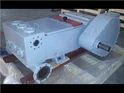

Hey there! As a supplier of API 675 pumps, I've seen firsthand how crucial maintenance records are for these workhorses. In this blog, I'll break down what the maintenance records for API 675 pumps should include and why they're so important.
Why Maintenance Records Matter
Before we dive into the details of what should be in the records, let's talk about why they're so important. Maintenance records are like the medical history of your API 675 pumps. They provide a detailed account of the pump's health, including past illnesses (malfunctions), treatments (repairs), and preventive care (maintenance).
These records are essential for several reasons. First, they help you track the performance of your pumps over time. By analyzing the data in the records, you can identify trends, such as increasing vibration levels or decreasing flow rates, which could indicate potential problems. Second, maintenance records are useful for troubleshooting. When a pump breaks down, having a detailed history of its maintenance can help you quickly identify the root cause of the problem and find a solution. Third, maintenance records are often required for regulatory compliance. Many industries, such as oil and gas, have strict regulations regarding the maintenance and operation of pumps, and keeping accurate records is a key part of meeting these requirements.
What Should Be in the Maintenance Records
Now that we understand why maintenance records are important, let's talk about what should be included in them. Here are the key elements that should be part of the maintenance records for API 675 pumps:
1. Pump Identification
The first thing that should be in the maintenance records is the pump's identification information. This includes the pump's model number, serial number, and installation date. This information is important because it allows you to uniquely identify the pump and track its history.
2. Installation Details
Next, the maintenance records should include details about the pump's installation. This includes the location of the pump, the type of foundation it's installed on, and the piping configuration. This information is useful for troubleshooting and for ensuring that the pump is installed correctly.
3. Maintenance Schedule
A maintenance schedule should also be included in the records. This schedule outlines the recommended maintenance tasks for the pump, such as lubrication, filter changes, and bearing inspections, and the frequency at which they should be performed. Following a regular maintenance schedule is essential for keeping the pump in good working condition and preventing breakdowns.
4. Maintenance Tasks Performed
The maintenance records should also include a detailed account of all the maintenance tasks that have been performed on the pump. This includes the date of the maintenance, the type of task performed, and the name of the technician who performed it. This information is useful for tracking the pump's maintenance history and for ensuring that all necessary maintenance tasks are being performed.
5. Parts Replacement
Whenever a part is replaced on the pump, this should be documented in the maintenance records. This includes the date of the replacement, the part number of the replaced part, and the reason for the replacement. Keeping track of parts replacements is important for several reasons. It helps you monitor the wear and tear on the pump, identify parts that are prone to failure, and plan for future replacements.
6. Performance Data
Performance data is another important element of the maintenance records. This includes data such as flow rate, pressure, temperature, and vibration levels. By monitoring this data over time, you can identify trends and potential problems with the pump's performance. For example, an increase in vibration levels could indicate a misaligned pump or a worn bearing.

7. Troubleshooting and Repairs
Finally, the maintenance records should include a detailed account of any troubleshooting and repairs that have been performed on the pump. This includes the date of the problem, the symptoms of the problem, the steps taken to diagnose and repair it, and the outcome of the repair. This information is useful for learning from past problems and for preventing similar problems from occurring in the future.
Using the Maintenance Records
Once you have all this information in your maintenance records, how do you use it? Here are some ways that you can use the maintenance records for API 675 pumps:
1. Predictive Maintenance
By analyzing the performance data in the maintenance records, you can identify trends and potential problems before they cause a breakdown. This allows you to schedule maintenance tasks proactively, rather than waiting for a problem to occur. For example, if you notice that the vibration levels of a pump are gradually increasing, you can schedule a bearing inspection before the bearing fails.
2. Cost Analysis
The maintenance records can also be used for cost analysis. By tracking the cost of maintenance tasks, parts replacements, and repairs, you can identify areas where you can reduce costs. For example, if you notice that a particular part is being replaced frequently, you can look for a more reliable or cost-effective alternative.
3. Regulatory Compliance
As mentioned earlier, many industries have strict regulations regarding the maintenance and operation of pumps. The maintenance records can be used to demonstrate compliance with these regulations. By keeping accurate and up-to-date records, you can avoid fines and penalties for non-compliance.
Conclusion
In conclusion, maintenance records are an essential part of managing API 675 pumps. They provide a detailed account of the pump's history, performance, and maintenance, which is useful for troubleshooting, preventive maintenance, cost analysis, and regulatory compliance. By keeping accurate and up-to-date maintenance records, you can ensure that your API 675 pumps are operating at their best and that they have a long and reliable service life.
If you're in the market for API 675 pumps or need help with maintaining your existing pumps, don't hesitate to reach out. We're here to provide you with high-quality pumps and expert support. You can learn more about our API 675 Diaphragm Pumps on our website. Let's start a conversation and see how we can meet your pumping needs!
References
- API Standard 675, "Positive Displacement Pumps - Controllable Volume"
- Manufacturer's maintenance manuals for API 675 pumps