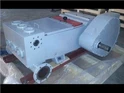

As a supplier of API 610 pumps, I understand the critical importance of having well - defined emergency shutdown procedures. API 610 pumps are widely used in various industries, including oil and gas, chemical processing, and power generation. In these high - stakes environments, a sudden malfunction or an emergency situation can pose significant risks to personnel, equipment, and the environment. Therefore, a proper emergency shutdown protocol is not just a safety measure; it's a necessity.
General Overview of API 610 Pumps
API 610 pumps are designed to meet the stringent requirements of the American Petroleum Institute's standard for centrifugal pumps for general refinery services. These pumps are known for their reliability, durability, and high - performance capabilities. They are often used in applications where continuous operation is essential, such as in the transfer of crude oil, refined products, and various chemicals.
However, like any mechanical equipment, API 610 pumps can experience problems. These issues can range from minor leaks and vibrations to major failures such as bearing seizure or impeller damage. In such cases, an immediate shutdown may be required to prevent further damage and ensure the safety of the operating environment.
Pre - Shutdown Checks
Before initiating an emergency shutdown, it's crucial to conduct a series of pre - shutdown checks. First, the operator should visually inspect the pump for any obvious signs of damage, such as leaks, excessive vibrations, or abnormal noises. These visual cues can provide valuable information about the nature and severity of the problem.
Next, the operator should check the pump's control panel. This includes monitoring the pressure gauges, temperature sensors, and flow meters. Abnormal readings on these instruments can indicate a potential problem with the pump's operation. For example, a sudden drop in pressure may suggest a blockage in the pipeline, while a sharp increase in temperature could signal a bearing or seal failure.
It's also important to ensure that all safety devices, such as emergency stop buttons and pressure relief valves, are in working condition. These devices are designed to protect the pump and the surrounding equipment in case of an emergency.
Step - by - Step Emergency Shutdown Procedures
1. Isolate the Power Source
The first step in an emergency shutdown is to isolate the power source of the pump. This can be done by switching off the circuit breaker or disconnecting the power cable. By cutting off the power, you prevent the pump from continuing to operate and potentially causing more damage. However, it's important to follow the manufacturer's instructions when disconnecting the power, as improper procedures can lead to electrical hazards.
2. Close the Inlet and Outlet Valves
After isolating the power source, the next step is to close the inlet and outlet valves of the pump. Closing the inlet valve stops the flow of fluid into the pump, while closing the outlet valve prevents the backflow of fluid from the pipeline. This helps to relieve the pressure on the pump and reduces the risk of leaks or other damage.


3. Activate the Emergency Stop Button
If the pump is equipped with an emergency stop button, it should be activated immediately. This button is designed to override all other control functions and bring the pump to a sudden stop. However, activating the emergency stop button should be a last resort, as it can cause mechanical stress on the pump and its components.
4. Monitor the Pump's Condition
Even after the pump has been shut down, it's important to monitor its condition. This includes checking the temperature, pressure, and vibration levels of the pump. If the temperature continues to rise or the pressure remains high, it may indicate that there is still a problem with the pump. In such cases, additional measures may be required, such as cooling the pump or relieving the pressure.
5. Notify the Maintenance Team
Once the pump has been safely shut down, the maintenance team should be notified immediately. The maintenance team will be responsible for diagnosing the problem and carrying out the necessary repairs. They should be provided with detailed information about the emergency shutdown, including the time of the shutdown, the readings on the control panel, and any visual observations made by the operator.
Special Considerations for Different Types of API 610 Pumps
There are different types of API 610 pumps, each with its own unique characteristics and requirements. For example, the Supercritical State CO2 (S - CO2) Fluid Circulation Booster Pump is designed to handle supercritical carbon dioxide, which has unique physical properties. In the case of an emergency shutdown of this type of pump, special precautions may be required to prevent the formation of dry ice or other solid carbon dioxide forms.
Similarly, the Fully Automatic Unmanned - attended Dense - phase CO2 Injection Pump Unit and the Fully Automatic Unmanned CO2 Injection Pump Skid are designed for unmanned operation. In an emergency situation, remote shutdown procedures may need to be implemented, and additional safety measures may be required to ensure the protection of the equipment and the environment.
Post - Shutdown Procedures
After the emergency shutdown, a thorough inspection of the pump should be carried out. This includes disassembling the pump and inspecting its components for damage. The bearings, seals, impellers, and other critical parts should be carefully examined. Any damaged parts should be replaced immediately to ensure the pump's proper operation.
Once the inspection and repairs are complete, the pump should be tested before being put back into service. This involves running the pump at a low speed and monitoring its performance. The pressure, flow rate, and temperature should be within the normal operating range. If any issues are detected during the test, further adjustments or repairs may be required.
Importance of Training and Documentation
Proper training is essential for all operators who are responsible for operating API 610 pumps. Operators should be trained on the emergency shutdown procedures, pre - shutdown checks, and post - shutdown inspections. Regular training sessions can help to ensure that operators are familiar with the procedures and can respond quickly and effectively in an emergency.
Documentation is also crucial. All emergency shutdowns should be documented, including the date, time, cause of the shutdown, and the actions taken. This documentation can be used for future reference and analysis. It can also help to identify any recurring problems and implement corrective actions to prevent similar emergencies in the future.
Conclusion
As a supplier of API 610 pumps, I emphasize the importance of having well - defined emergency shutdown procedures. These procedures are essential for ensuring the safety of personnel, protecting the equipment, and minimizing the impact of emergencies on the operation. By following the steps outlined in this blog, operators can effectively manage emergency situations and prevent further damage to the pump.
If you are in the market for API 610 pumps or need more information about emergency shutdown procedures, please feel free to contact us for a detailed discussion. We are committed to providing high - quality pumps and comprehensive support to meet your specific needs.
References
- American Petroleum Institute. (Year). API 610: Centrifugal Pumps for General Refinery Services.
- Manufacturer's Manuals for API 610 Pumps.