
Hey there! As a piston pump supplier, I've been getting a lot of questions lately about how to verify the accuracy of a piston pump's flow rate. It's a crucial aspect, especially when you're relying on these pumps for various industrial applications. So, I thought I'd share some insights on this topic.
First off, let's understand why verifying the flow rate is so important. In industries like mining, oil and gas, and chemical processing, the right flow rate can make or break an operation. If the flow rate is too high, it can cause excessive wear and tear on the pump and other components, leading to costly repairs and downtime. On the other hand, if the flow rate is too low, it might not be able to meet the production requirements.
One of the most common methods to verify the flow rate is by using a flow meter. There are different types of flow meters available, each with its own advantages and disadvantages.
Types of Flow Meters
Positive Displacement Flow Meters
These flow meters work by measuring the volume of fluid that passes through them in discrete amounts. They're pretty accurate and can handle a wide range of viscosities. However, they can be a bit expensive and require regular maintenance. For piston pumps, positive displacement flow meters can be a great option as they can provide a direct measurement of the fluid volume.
Turbine Flow Meters
Turbine flow meters use a rotating turbine to measure the flow rate. As the fluid passes through the meter, it causes the turbine to spin, and the speed of the turbine is proportional to the flow rate. They're relatively inexpensive and easy to install. But they might not be as accurate for fluids with high viscosities or those that contain solids.
Ultrasonic Flow Meters
Ultrasonic flow meters use ultrasonic waves to measure the flow rate. They're non - intrusive, which means they don't need to be inserted into the fluid stream. This makes them a good choice for applications where you don't want to disrupt the flow or for fluids that are corrosive or abrasive. However, their accuracy can be affected by factors like the fluid's temperature, density, and the presence of bubbles.
Steps to Verify Flow Rate Using a Flow Meter
- Installation: First, you need to install the flow meter correctly. Make sure it's in a location where the flow is fully developed and there are no obstructions or bends in the pipe upstream or downstream. Follow the manufacturer's instructions carefully for proper installation.
- Calibration: Before taking any measurements, you need to calibrate the flow meter. This involves comparing the readings of the flow meter with a known standard. Most flow meters come with a calibration procedure in the user manual. You might need to use a calibration fluid with a known flow rate to ensure accurate results.
- Measurement: Once the flow meter is installed and calibrated, you can start taking measurements. Let the pump run for a few minutes to stabilize the flow, and then record the flow rate readings at regular intervals. Take multiple readings to get an average value, which will give you a more accurate representation of the pump's flow rate.
Another way to verify the flow rate is by doing a volumetric measurement.
Volumetric Measurement
This method involves collecting the fluid output from the piston pump in a container over a specific period of time. Here's how you can do it:
- Select a Container: Choose a container with known volume. Make sure it's large enough to hold the fluid output without overflowing during the measurement period.
- Set a Time Interval: Decide on a specific time interval for the measurement, say 5 minutes or 10 minutes.
- Collect the Fluid: Start the piston pump and place the container under the pump outlet to collect the fluid. When the time interval is up, stop collecting the fluid.
- Calculate the Flow Rate: Measure the volume of the fluid in the container and divide it by the time interval. For example, if you collect 100 liters of fluid in 5 minutes, the flow rate is 20 liters per minute.
However, this method has some limitations. It can be time - consuming, especially if you need to do multiple measurements. Also, it might not be very accurate for continuous - flow applications, as the flow rate can vary over time.

Using Pressure Measurements
Pressure measurements can also give you an idea about the flow rate of a piston pump. According to Bernoulli's principle, there is a relationship between the flow rate and the pressure difference across the pump.
You can use pressure sensors to measure the pressure at the inlet and outlet of the pump. By knowing the pump's characteristics and the fluid properties, you can estimate the flow rate based on the pressure difference. However, this method requires a good understanding of fluid dynamics and the pump's performance curve.
Comparing with the Manufacturer's Specifications
As a piston pump supplier, we always provide detailed specifications about our pumps, including the flow rate. When you're verifying the flow rate, it's a good idea to compare your measurements with the manufacturer's specifications. If there's a significant difference, it could indicate a problem with the pump, such as a worn - out piston, a leak in the system, or a blockage in the pipes.
Troubleshooting
If you find that the measured flow rate is not accurate, here are some steps you can take:
- Check for Leaks: Look for any leaks in the piping system, including seals, gaskets, and joints. A leak can cause a reduction in the flow rate.
- Inspect the Piston: The piston is a critical component of the pump. If it's worn out or damaged, it can affect the pump's performance. Check the piston for any signs of wear, such as scoring or cracking.
- Clean the Filters: Clogged filters can restrict the flow of fluid and reduce the flow rate. Make sure to clean or replace the filters regularly.
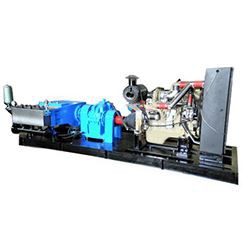
At our company, we offer a wide range of piston pumps, including High Pressure Slurry Pump and Mud Pump. These pumps are designed to meet the high - performance requirements of various industries.
If you're in the market for a new piston pump or need help verifying the flow rate of your existing pump, don't hesitate to reach out. We have a team of experts who can provide you with the right solutions and support. Whether you need technical advice, installation assistance, or spare parts, we've got you covered.
References
- Fluid Mechanics textbooks
- Manufacturer's manuals for piston pumps and flow meters
- Industry standards and guidelines for pump performance testing