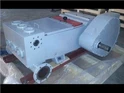

As a supplier of the China JWS185, I am often asked about the correct way to use this remarkable well - service pump. In this blog, I will share in - depth knowledge on how to operate, maintain, and get the most out of the JWS185.
Understanding the China JWS185
Before we delve into the usage details, let's first understand what the JWS185 is. The JWS185 is a high - performance well - service pump designed for a variety of applications in the oil and gas industry. It is known for its reliability, efficiency, and durability, making it a popular choice among operators.
Installation
The first step in using the JWS185 correctly is proper installation. Incorrect installation can lead to a host of problems, including reduced performance, premature wear, and safety hazards.
- Site Preparation: Choose a flat, stable, and well - drained location for the pump installation. Ensure that there is enough space around the pump for maintenance and inspection. The area should also be free from any potential sources of contamination, such as chemicals or debris.
- Mounting the Pump: Follow the manufacturer's instructions carefully when mounting the pump. Use the appropriate mounting hardware and ensure that the pump is securely fastened to the base. Misalignment during mounting can cause excessive vibration, which can damage the pump components over time.
- Piping Connection: Connect the suction and discharge pipes to the pump according to the specified pipe sizes and connection methods. Make sure that the pipes are properly supported to prevent stress on the pump flanges. Leaks in the piping system can reduce the pump's efficiency and may also pose a safety risk.
- Electrical Connection: If the JWS185 is an electrically - driven pump, ensure that the electrical connection is made by a qualified electrician. Follow all electrical safety codes and use the correct wire size and type. Improper electrical connections can lead to short circuits, overheating, and even fires.
Start - up Procedure
Once the JWS185 is installed, it is time to start it up. The following steps should be followed for a smooth start - up:
- Inspection: Before starting the pump, conduct a thorough inspection of the entire system. Check for any loose bolts, leaks in the piping, and proper lubrication of the pump bearings. Make sure that all safety guards are in place.
- Priming: If the pump requires priming, follow the priming procedure outlined in the user manual. Priming is essential to remove air from the suction line and pump casing, which allows the pump to operate efficiently.
- Starting the Pump: Start the pump slowly and monitor the pressure and flow rate. Check for any abnormal noises or vibrations. If any issues are detected, stop the pump immediately and troubleshoot the problem.
- System Adjustment: Once the pump is running, adjust the system parameters, such as the discharge pressure and flow rate, to meet the specific requirements of the application. This may involve adjusting the throttle valves or changing the pump speed.
Operation
During normal operation, it is important to monitor the JWS185 closely to ensure its optimal performance:
- Monitoring Parameters: Regularly check the pump's pressure, flow rate, temperature, and vibration levels. Use the appropriate monitoring instruments, such as pressure gauges, flow meters, and temperature sensors. Any significant changes in these parameters may indicate a problem with the pump or the system.
- Lubrication: Keep the pump bearings properly lubricated according to the manufacturer's recommendations. Insufficient lubrication can cause excessive friction and wear, which can lead to bearing failure.
- Filter Maintenance: Replace the suction and discharge filters regularly to prevent clogging. Clogged filters can reduce the pump's efficiency and may also cause damage to the pump components.
- Load Management: Avoid overloading the pump. Operating the pump beyond its rated capacity can cause premature wear and failure. If the system requirements change, adjust the pump operation accordingly.
Comparison with Similar Models
The JWS185 is not the only well - service pump on the market. For example, the LEED 165 and JWS340 are also popular models. The LEED 165 is a smaller - capacity pump, suitable for applications with lower flow and pressure requirements. On the other hand, the JWS340 is a larger - capacity pump, designed for high - volume and high - pressure applications.
When choosing between these models, consider the specific requirements of your application, such as the required flow rate, pressure, and the nature of the fluid being pumped. The JWS185 strikes a good balance between performance and cost - effectiveness for many medium - sized applications.


Maintenance
Regular maintenance is crucial for the long - term reliability and performance of the JWS185:
- Scheduled Maintenance: Follow the manufacturer's recommended maintenance schedule. This may include tasks such as oil changes, bearing replacements, and valve inspections. Scheduled maintenance helps to identify and address potential problems before they become major issues.
- Component Replacement: When replacing pump components, use only genuine parts from the manufacturer. Using non - genuine parts may void the warranty and can also affect the pump's performance and reliability.
- Cleaning: Keep the pump and its surrounding area clean. Remove any dirt, debris, or oil spills regularly. A clean pump is less likely to experience problems and is also easier to maintain.
Troubleshooting
Even with proper installation, operation, and maintenance, problems may still occur with the JWS185. Here are some common problems and their possible solutions:
- Low Flow or Pressure: This could be due to a clogged filter, a leak in the piping system, or a worn - out impeller. Check the filters, inspect the piping for leaks, and replace the impeller if necessary.
- Excessive Vibration: Vibration can be caused by misalignment, loose bolts, or worn bearings. Check the alignment of the pump, tighten any loose bolts, and replace the bearings if they are worn.
- Overheating: Overheating may be a result of insufficient lubrication, high ambient temperature, or a problem with the cooling system. Check the lubrication level, ensure proper ventilation around the pump, and inspect the cooling system.
Conclusion
Using the China JWS185 correctly requires a combination of proper installation, careful operation, regular maintenance, and effective troubleshooting. By following the guidelines outlined in this blog, you can ensure that your JWS185 operates efficiently and reliably for a long time.
If you are interested in purchasing the JWS185 or have any questions about its usage, feel free to contact us for further discussion. We are committed to providing you with the best products and services to meet your well - service pump needs.
References
- China JWS185 User Manual
- Industry Standards for Well - Service Pumps
- Technical Papers on Pump Operation and Maintenance