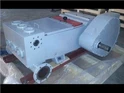
Dust and other particulate matter can pose significant threats to the performance and lifespan of a plunger pump. As a trusted plunger pump supplier, we understand the importance of preventing dust from infiltrating these vital pieces of equipment. In this blog post, we'll explore various strategies and best practices for keeping dust at bay and ensuring the long - term reliability of your plunger pumps.
Understanding the Damage Caused by Dust
Before we delve into prevention methods, it's essential to understand why dust can be so harmful to plunger pumps. Plunger pumps operate with high precision. Their internal components, such as cylinders, pistons, and valves, need to work together seamlessly. When dust enters the pump, it can act as an abrasive. The tiny particles scratch the smooth surfaces of these components, leading to increased friction. This not only reduces the pump's efficiency but can also cause premature wear and tear. Over time, this wear can result in leaks, decreased pressure output, and ultimately, pump failure.
Sealing Solutions
One of the most effective ways to prevent dust from entering a plunger pump is to improve its sealing. The pump should have high - quality seals at all entry points, including the connection between the pump body and pipes, and around the plunger shaft. These seals should be made of materials that are resistant to abrasion and have a tight fit. For example, elastomeric seals made from nitrile or Viton can offer excellent sealing performance. Regular inspections of these seals are necessary. Check for signs of wear, such as cracks or deformations. Replace any worn - out seals immediately to maintain an air - tight barrier against dust.
Enclosures and Housings
Installing an appropriate enclosure or housing around the plunger pump can create an additional layer of protection. A well - designed enclosure can shield the pump from direct exposure to dusty environments. The enclosure should be made of a durable material, like stainless steel or coated steel, which can withstand the impact of dust and other environmental factors. Make sure the enclosure has proper ventilation to prevent overheating. However, the ventilation openings should be fitted with fine mesh filters. These filters can trap dust particles while allowing air to flow through, ensuring the pump operates at an optimal temperature.
Site Selection and Installation
The location where the plunger pump is installed plays a crucial role in dust prevention. Choose a site that is as far away as possible from dust - generating sources, such as construction areas, quarries, or grain storage facilities. If it's not possible to completely avoid these areas, consider installing barriers or partitions to block the dust. Additionally, ensure that the pump is installed on a clean and stable surface. A sloped surface can help prevent dust and other debris from accumulating around the pump base. Use vibration - isolating pads to reduce the movement of the pump, which can also prevent dust from being sucked into the pump through small gaps caused by vibrations.
Maintenance and Cleaning
Regular maintenance and cleaning are vital for preventing dust from entering and causing damage to the plunger pump. Develop a maintenance schedule that includes tasks such as cleaning the exterior of the pump, inspecting the seals and filters, and lubricating moving parts. When cleaning the pump, use a soft brush or compressed air to remove dust from hard - to - reach areas. Be careful not to use excessive force, as this could damage the pump's delicate components.
For the filters in the ventilation openings or any other built - in filters, they should be cleaned or replaced regularly according to the manufacturer's recommendations. A clogged filter not only reduces the pump's ventilation efficiency but also increases the risk of dust bypassing the filter and entering the pump.
Air Filtration Systems
In environments with extremely high levels of dust, an air filtration system can be a valuable addition. There are different types of air filtration systems available, such as pre - filters, HEPA filters, and activated carbon filters. A pre - filter can capture large dust particles, while a HEPA filter can trap fine particles as small as 0.3 microns with a very high efficiency. Activated carbon filters can also adsorb gaseous pollutants and some odors along with dust.
Connect the air filtration system to the ventilation of the pump enclosure. This will ensure that the air entering the enclosure is clean and free of dust. Regularly monitor the performance of the air filtration system and replace the filters as needed.
Training and Operator Awareness
Proper training of pump operators is also essential in preventing dust from entering the plunger pump. Operators should be educated about the importance of dust prevention and the correct procedures for operating and maintaining the pump. They should be aware of the signs of dust - related problems, such as increased noise or decreased performance, and know when to take appropriate action.
Provide operators with clear instructions on how to clean the pump, replace filters, and inspect seals. Encourage them to report any potential issues immediately so that they can be addressed before they cause significant damage.
Application - Specific Considerations
Depending on the specific application of the plunger pump, different measures may be required. For example, Detergent Slurry Pump used in the detergent industry may be exposed to a unique set of contaminants along with dust. In such cases, the sealing materials should be resistant to the chemicals present in the detergent slurry as well as dust.
Reverse Osmosis Pump installed in water treatment plants may need to have a different type of air filtration system to ensure that the air used for cooling and ventilation does not contain any particles that could contaminate the water.


For High Pressure Grouting Pump used in construction projects, the enclosures need to be more robust to withstand the harsh construction environment. They should also be designed to prevent the ingress of dust and debris from cement and other building materials.
Conclusion
Preventing dust from entering a plunger pump is a multi - faceted approach that involves proper sealing, housing, site selection, maintenance, and operator training. By implementing these strategies, you can significantly extend the lifespan of your plunger pump and ensure its reliable performance.
As a leading plunger pump supplier, we are committed to providing high - quality pumps and comprehensive solutions to meet your needs. If you have any questions about dust prevention for your plunger pump or are interested in purchasing our products, please feel free to contact us for further discussions and procurement.
References
- "Pump Handbook" by Igor J. Karassik et al.
- Industry standards and guidelines for pump maintenance and protection.