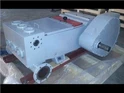

When using a plunger pump at high altitudes, several unique challenges and considerations come into play that differ significantly from standard, low - altitude operation. As a plunger pump supplier, we understand these challenges well and are committed to providing you with comprehensive guidance on adjusting your plunger pump for high - altitude use.
The Impact of High Altitude on Plunger Pumps
The most notable factor at high altitudes is the decrease in atmospheric pressure. Typically, as altitude increases, air density drops, which subsequently affects the performance of the plunger pump. Lower air density means that the pump may have difficulty drawing in the fluid as effectively as it would at lower altitudes. The reduced pressure can cause issues such as cavitation, where vapor bubbles form in the fluid and then collapse, leading to damage to the pump components over time.
Another impact is on the lubrication and cooling systems. High - altitude environments often have lower ambient temperatures, but the reduced air density also means less efficient cooling through air - cooled systems. Additionally, the viscosity of lubricants can change under these conditions, which might affect the smooth operation of the pump's moving parts.


Adjusting the Suction System
The first step in adjusting a plunger pump for high - altitude use starts with the suction system. The lower atmospheric pressure means that the pump has less "help" in drawing the fluid into the pump chamber. To address this, it may be necessary to reduce the suction lift of the pump. If possible, place the pump closer to the fluid source or use a flooded suction setup where the fluid level is above the pump inlet. This reduces the work the pump has to do to draw in the fluid.
You may also need to examine and potentially replace the suction valves. At high altitudes, the valves might need to be more responsive to ensure proper fluid intake. Valves with a higher spring tension can help prevent back - flow and ensure that the fluid is effectively drawn into the pump during the suction stroke.
Managing Cavitation
As mentioned earlier, cavitation is a significant concern at high altitudes. To manage this issue, you can increase the NPSH (Net Positive Suction Head) margin. This can involve using larger diameter suction pipes to reduce friction losses or installing a booster pump to increase the inlet pressure of the plunger pump.
Monitoring the pump operation for signs of cavitation is crucial. Listen for unusual noises, such as a crackling or popping sound, which can indicate the presence of cavitation. If cavitation is detected, immediate action should be taken to prevent further damage, such as adjusting the system based on the above - mentioned steps.
Lubrication and Cooling Adjustments
For lubrication, consult the lubricant manufacturer to select a product that is suitable for high - altitude and low - temperature conditions. Some lubricants may become too thick in cold, high - altitude environments, impeding the movement of the pump's parts. Choosing a lubricant with a lower viscosity that can maintain its performance at lower temperatures is essential.
Regarding cooling, if your plunger pump uses an air - cooled system, you may need to increase the fan speed or install additional cooling fins. Liquid - cooled systems can be more reliable at high altitudes. However, you need to ensure that the coolant mixture is appropriate for the low temperatures. Antifreeze can be added to prevent the coolant from freezing in cold conditions.
Power and Speed Considerations
At high altitudes, the power output of the pump drive (such as an electric motor or engine) may decrease due to the reduced air density. For diesel engines, less oxygen means less efficient combustion. In such cases, you may need to derate the engine power and adjust the pump speed accordingly.
Slowing down the pump speed can also be beneficial. A lower pump speed reduces the likelihood of cavitation and allows the pump to operate more smoothly under the challenging high - altitude conditions. However, it is crucial to ensure that the reduced speed still meets the required flow and pressure requirements of your application.
Specialized Plunger Pumps for High - Altitude Applications
Depending on your specific needs at high altitudes, we offer specialized plunger pumps designed to handle these unique conditions. Our Hydrochloric Acid Pump is built with materials that can withstand the effects of high - altitude operation along with the corrosive nature of hydrochloric acid. Similarly, our Liquid CO2 Pump is engineered to perform efficiently in high - altitude settings where the handling of liquid CO2 requires precise control. And our Reverse Osmosis Pump can be adjusted to meet the high - altitude challenges while maintaining the necessary pressure for reverse - osmosis processes.
Regular Maintenance and Monitoring
Once you have adjusted your plunger pump for high - altitude use, regular maintenance and monitoring are essential. Check the pump components, such as the plungers, valves, and seals, more frequently than in low - altitude applications. The harsh high - altitude environment can cause accelerated wear and tear.
Use monitoring devices to keep track of key parameters such as pressure, temperature, and flow rate. Any significant deviations from the normal operating values can indicate a problem that needs to be addressed promptly.
Conclusion
Adjusting a plunger pump for high - altitude use requires a comprehensive understanding of the impact of high - altitude conditions on the pump's performance. By making the appropriate adjustments to the suction system, managing cavitation, optimizing lubrication and cooling, considering power and speed, and using specialized pumps when necessary, you can ensure the reliable and efficient operation of your plunger pump at high altitudes.
If you are in the market for a plunger pump or need further assistance with adjusting your existing pump for high - altitude use, we are here to help. Our team of experts has extensive experience in dealing with high - altitude pump applications and can provide you with customized solutions. Contact us to discuss your specific requirements and start a procurement negotiation that meets your needs.
References
- Pump Handbook, Karassik, I. J., Messina, J. P., Cooper, P. T., & Heald, C. C. (2008).
- High Altitude Engineering Handbook, various military - sourced engineering guidelines.