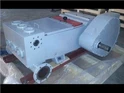

Do piston pumps require lubrication? This is a question that often arises among those in industries relying on these essential pieces of equipment. As a piston pump supplier, I've encountered this query numerous times, and today, I'll delve into the details to provide a comprehensive answer.
Understanding Piston Pumps
Before we discuss lubrication, it's crucial to understand what piston pumps are and how they work. Piston pumps are positive displacement pumps that use reciprocating pistons to move fluid through a system. They are known for their ability to generate high pressures and handle a wide range of fluids, from water and oil to more viscous substances like slurries and mud.
Piston pumps come in various types, including single - acting and double - acting pumps. Single - acting pumps move fluid during one stroke of the piston, while double - acting pumps move fluid during both the forward and backward strokes. These pumps are widely used in industries such as oil and gas, mining, chemical processing, and water treatment.
The Role of Lubrication in Piston Pumps
Lubrication plays a vital role in the operation of many mechanical systems, and piston pumps are no exception. The primary functions of lubrication in piston pumps include:
Reducing Friction
Friction is a natural by - product of moving parts in a pump. When pistons move within cylinders, there is contact between the piston rings and the cylinder walls. Without proper lubrication, this friction can cause excessive wear and tear on the components. Lubricants create a thin film between the moving parts, reducing the direct contact and thus minimizing friction. This not only extends the lifespan of the pump but also improves its efficiency by reducing the energy required to move the pistons.
Cooling
As the pistons move back and forth, they generate heat due to friction. Lubricants can absorb and carry away this heat, preventing the pump from overheating. Overheating can lead to thermal expansion of the components, which may cause the pump to malfunction or even fail. By keeping the pump at an optimal temperature, lubrication helps maintain its performance and reliability.
Sealing
Lubricants can also enhance the sealing properties of the piston rings. A well - lubricated piston ring can form a better seal against the cylinder wall, preventing fluid leakage. This is especially important in high - pressure applications where even a small leak can lead to significant losses in efficiency and potential safety hazards.
Types of Lubrication in Piston Pumps
There are different ways to lubricate piston pumps, and the choice depends on several factors, such as the type of pump, the fluid being pumped, and the operating conditions.
Splash Lubrication
Splash lubrication is a simple and cost - effective method. In this system, the moving parts of the pump dip into a reservoir of lubricant. As the parts move, they splash the lubricant onto other components, providing lubrication. This method is commonly used in small - to medium - sized piston pumps with relatively low operating speeds.

Pressure Lubrication
Pressure lubrication is more sophisticated and is used in larger and high - performance piston pumps. In this system, a pump is used to force the lubricant through a network of passages to the critical components. This ensures a continuous and consistent supply of lubricant, even under high - pressure and high - speed operating conditions.
Boundary Lubrication
In some cases, especially when dealing with fluids that are not compatible with traditional lubricants, boundary lubrication may be used. This involves applying a thin layer of a lubricating material directly to the surface of the moving parts. This layer can reduce friction and wear, even in the absence of a continuous supply of liquid lubricant.
Do All Piston Pumps Require Lubrication?
The answer is not a simple yes or no. While most piston pumps benefit from lubrication, there are some exceptions.
Pumps Handling Lubricating Fluids
If the fluid being pumped is itself a lubricant, such as oil, then additional lubrication may not be necessary. The fluid being pumped can provide the necessary lubrication for the moving parts. For example, in some oil - pumping applications, the oil acts as a lubricant for the pistons and cylinders, eliminating the need for a separate lubrication system.
Dry - Running Piston Pumps
There are also dry - running piston pumps available. These pumps are designed to operate without external lubrication. They use special materials for the piston rings and cylinders that have low friction coefficients and good wear resistance. Dry - running pumps are often used in applications where contamination of the pumped fluid by lubricants is unacceptable, such as in the food and pharmaceutical industries.
Considerations for Lubrication in Piston Pumps
When deciding whether a piston pump requires lubrication and what type of lubrication to use, several factors need to be considered:
Fluid Compatibility
The lubricant must be compatible with the fluid being pumped. If the lubricant and the pumped fluid are not compatible, they may react with each other, leading to the formation of deposits, corrosion, or other problems. For example, if a water - based fluid is being pumped, a water - soluble lubricant should be used.
Operating Conditions
The operating conditions, such as temperature, pressure, and speed, also play a role in determining the lubrication requirements. High - temperature and high - pressure applications may require a more robust lubrication system to ensure proper performance and reliability.
Maintenance Requirements
Lubricated pumps require regular maintenance to check the lubricant level, quality, and replace it when necessary. Dry - running pumps, on the other hand, generally have lower maintenance requirements but may have a higher initial cost due to the use of special materials.
Our Piston Pump Offerings
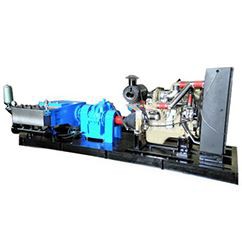
At our company, we offer a wide range of piston pumps to meet different industry needs. Our High Pressure Slurry Pump is designed to handle abrasive slurries at high pressures. It is equipped with a reliable lubrication system to ensure long - term performance and durability. Our Mud Pump is another popular product, commonly used in the oil and gas industry. It is engineered to provide efficient and reliable operation, with appropriate lubrication options available depending on the specific application.
Conclusion
In conclusion, while most piston pumps benefit from lubrication, whether a particular pump requires it depends on various factors, such as the type of fluid being pumped, the operating conditions, and the design of the pump. As a piston pump supplier, we can help you determine the best lubrication solution for your specific needs. If you are in the market for a piston pump or need advice on lubrication, we encourage you to contact us for a detailed discussion. Our team of experts is ready to assist you in making the right choice for your application.
References
- "Pump Handbook" by Igor J. Karassik et al.
- "Fluid Mechanics and Hydraulic Machines" by R. K. Bansal.