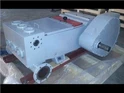

Hey there! As a supplier of the JWS340, I often get asked if this bad - boy can be used in high - altitude areas. So, let's dive right into it and figure out if the JWS340 is up for the high - altitude challenge.
First off, what's so different about high - altitude areas? Well, the most obvious thing is the lower air pressure. At higher altitudes, the air is thinner, which means there's less oxygen available. This can have a big impact on how machinery operates. Engines, for example, rely on oxygen for combustion. With less oxygen, they might not perform as well as they do at sea level.
Now, let's talk about the JWS340 itself. The JWS340 is a powerful piece of equipment, designed to handle some tough jobs. It's got a robust build and is known for its reliability. But when it comes to high - altitude performance, we need to take a closer look at its components.
One of the key factors is the engine. The JWS340 is equipped with an engine that's designed to be efficient and powerful. However, like all engines, it needs oxygen to burn fuel and generate power. In high - altitude areas, the engine might struggle a bit because of the lower oxygen levels. But here's the good news: modern engines, including the one in the JWS340, are often equipped with advanced fuel injection systems and turbochargers. These technologies can help the engine adapt to different air densities.


The turbocharger, for instance, compresses the incoming air, forcing more oxygen into the engine's cylinders. This means that even in thin air, the engine can still get enough oxygen to burn fuel effectively. The fuel injection system can also adjust the amount of fuel being injected based on the air density, ensuring a proper air - fuel mixture for combustion.
Another aspect to consider is the cooling system. In high - altitude areas, the air is not only thinner but also cooler. While the cooler air might seem like it would be great for cooling the engine, it can actually cause some problems. The cooling system of the JWS340 is designed to work under normal atmospheric conditions. At high altitudes, the reduced air density can affect the heat transfer rate in the radiator. This might lead to the engine running hotter than usual if the cooling system isn't properly adjusted.
However, the JWS340 has a well - designed cooling system that can be adjusted to account for these high - altitude conditions. By making some minor tweaks to the fan speed and coolant flow rate, we can ensure that the engine stays at an optimal temperature even in high - altitude environments.
Let's also compare the JWS340 with some other models. The JWS185 and the LEED 165 are also popular well - service pumps. The JWS185 is a bit smaller and less powerful than the JWS340, while the LEED 165 has its own unique features. When it comes to high - altitude performance, the JWS340 has an edge over these models. Its larger engine and more advanced technologies make it better equipped to handle the challenges of thin air and cooler temperatures.
In addition to the engine and cooling system, the hydraulic system of the JWS340 also needs to be considered. The hydraulic system is responsible for powering many of the pump's functions, such as the pumping mechanism and the movement of the boom. In high - altitude areas, the viscosity of the hydraulic fluid can change due to the lower temperatures. This can affect the performance of the hydraulic system, causing slower response times or even leaks.
But don't worry! The JWS340 uses high - quality hydraulic fluid that's designed to have a stable viscosity over a wide range of temperatures. And the hydraulic system is also equipped with filters and pressure regulators that can help maintain its performance even in extreme conditions.
Based on all these factors, I can confidently say that the JWS340 can be used in high - altitude areas. While there are some challenges associated with high - altitude operation, the advanced technologies and well - designed components of the JWS340 allow it to adapt and perform effectively.
Of course, proper maintenance and some minor adjustments are necessary. Before taking the JWS340 to a high - altitude area, it's a good idea to have it inspected by a professional. They can check the engine, cooling system, and hydraulic system to make sure everything is in good working order. They can also make any necessary adjustments to the engine's settings and the cooling system to optimize performance.
If you're considering using the JWS340 in a high - altitude area, I'd be more than happy to help you out. I've got a team of experts who can provide you with all the information and support you need. Whether it's advice on pre - trip inspections, maintenance tips, or any other questions you might have, we're here to assist.
If you're interested in purchasing the JWS340 or want to learn more about its high - altitude capabilities, don't hesitate to reach out. We can have a detailed discussion about your specific needs and how the JWS340 can meet them. Whether you're working on a well - service project in the mountains or in any other high - altitude location, the JWS340 is a reliable choice.
So, if you're in the market for a well - service pump that can handle high - altitude challenges, give the JWS340 a serious look. Contact us today to start the conversation about how this amazing piece of equipment can fit into your operations.
References:
- Manufacturer's specifications for the JWS340, JWS185, and LEED 165
- Technical literature on engine performance at high altitudes
- Hydraulic system design and operation manuals