
Hey there! As a supplier of API 675 pumps, I often get asked this question: "Can API 675 pumps handle corrosive fluids?" Well, let's dive right into it and find out.

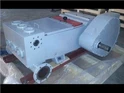
First off, let's quickly understand what API 675 pumps are. API 675 stands for the American Petroleum Institute standard for metering pumps. These pumps are designed to accurately deliver a specific volume of fluid at a controlled rate. They're commonly used in industries like oil and gas, chemical processing, and water treatment. API 675 Diaphragm Pumps are a popular type within this category.
Now, when it comes to corrosive fluids, it's a whole different ballgame. Corrosive fluids can be extremely harsh on pump materials. They can eat away at the pump components, leading to leaks, reduced performance, and ultimately, pump failure. So, the big question is whether API 675 pumps can stand up to this challenge.
The answer is yes, but with some important considerations. API 675 pumps can handle corrosive fluids, but it all boils down to the materials of construction. Different corrosive fluids have different chemical properties, and you need to choose the right materials that can resist their corrosive effects.
For example, if you're dealing with acids, materials like stainless steel, Hastelloy, or ceramic can be great choices. Stainless steel is a common option because it's relatively affordable and offers good corrosion resistance against many acids. Hastelloy, on the other hand, is a high - performance alloy that can withstand even more aggressive acidic environments. Ceramic is also highly resistant to corrosion and can be used in applications where extreme chemical resistance is required.
When it comes to alkalis, materials like polypropylene or PVDF (polyvinylidene fluoride) can be suitable. Polypropylene is a cost - effective option for less severe alkaline applications, while PVDF is more expensive but offers better chemical resistance and mechanical properties.
Let's talk about the diaphragm in API 675 Diaphragm Pumps. The diaphragm is a critical component that separates the pumped fluid from the drive mechanism. It needs to be made of a material that can resist corrosion. Some common diaphragm materials for corrosive applications include PTFE (polytetrafluoroethylene), which is known for its excellent chemical resistance. PTFE diaphragms can handle a wide range of corrosive fluids, from strong acids to organic solvents.
Another important factor is the pump's design. API 675 pumps are designed to be robust and reliable, but for corrosive applications, additional design features may be required. For instance, the pump should have proper sealing to prevent any leakage of the corrosive fluid. The internal passages should be smooth to minimize the buildup of corrosive substances, which could lead to accelerated corrosion.
In addition, regular maintenance is crucial when using API 675 pumps with corrosive fluids. You need to inspect the pump regularly for signs of corrosion, such as pitting, cracking, or discoloration. Replace any worn - out components promptly to prevent further damage. Also, make sure to follow the manufacturer's recommendations for cleaning and lubrication.
Let's take a look at some real - world examples. In a chemical processing plant, they were using API 675 pumps to transfer a corrosive acid solution. Initially, they used pumps with standard carbon steel components, and they quickly faced problems with corrosion. The pumps started to leak, and the performance deteriorated. After consulting with us, they switched to pumps with Hastelloy components and PTFE diaphragms. Since then, the pumps have been running smoothly, with significantly reduced maintenance costs and downtime.
In the water treatment industry, API 675 pumps are often used to add chemicals like chlorine or sulfuric acid to the water. These chemicals are corrosive, but by using pumps with the right materials, such as stainless steel and PTFE, the plants can ensure reliable and accurate chemical dosing.
However, it's not always a straightforward decision. Sometimes, the corrosive fluid may have complex chemical compositions, or the operating conditions may be extreme. In such cases, it's advisable to consult with an expert. As a supplier of API 675 pumps, we have a team of engineers who can help you select the right pump and materials for your specific application. We can analyze the properties of the corrosive fluid, the operating conditions, and your performance requirements to recommend the most suitable solution.
In conclusion, API 675 pumps can definitely handle corrosive fluids, but it requires careful selection of materials, proper design, and regular maintenance. If you're in an industry that deals with corrosive fluids and you're looking for a reliable pumping solution, API 675 pumps are a great option.
If you're interested in learning more about how our API 675 pumps can handle your corrosive fluid applications or if you're ready to make a purchase, feel free to reach out to us. We're here to assist you every step of the way, from product selection to after - sales support. Let's work together to find the perfect pumping solution for your needs.
References
- API 675 Standard - American Petroleum Institute
- Chemical Resistance Guides for Pump Materials
- Case studies from various industries using API 675 pumps for corrosive fluid applications