
Can a plunger unclog a main sewer line? This is a question that many homeowners and property managers often find themselves asking when faced with a stubborn sewer blockage. As a trusted plunger supplier, I've encountered this query numerous times, and in this blog post, I'll delve into the science behind sewer blockages, the effectiveness of plungers, and when it might be time to seek alternative solutions.
Understanding Main Sewer Line Blockages
Before we discuss whether a plunger can do the job, it's essential to understand what causes main sewer line blockages. The main sewer line is responsible for carrying wastewater from your home to the municipal sewer system or septic tank. Over time, various materials can accumulate and cause blockages, including:
- Grease and Oil: Pouring grease and oil down the drain is a common culprit. These substances solidify as they cool, sticking to the inside of the pipes and gradually building up over time.
- Hair and Soap Scum: In the bathroom, hair and soap scum can combine to form a thick, sticky mass that clogs the pipes. This is especially common in shower drains and sinks.
- Foreign Objects: Flushing non - biodegradable items such as baby wipes, sanitary products, or paper towels can lead to significant blockages. These items do not break down easily and can get stuck in the pipes.
- Tree Roots: Tree roots are attracted to the moisture and nutrients in sewer lines. They can penetrate the pipes through small cracks, causing blockages and even structural damage.
How Plungers Work
A plunger is a simple yet effective tool for clearing minor blockages in pipes. It works on the principle of creating pressure and suction. When you place the plunger over the drain and push down, you force air and water into the pipe, creating pressure that can dislodge the blockage. Pulling up on the plunger creates suction, which can also help to draw the blockage back up or break it apart.
There are two main types of plungers: cup plungers and flange plungers. Cup plungers are typically used for sinks, bathtubs, and toilets. They have a simple cup - shaped design that creates a seal over the drain. Flange plungers, on the other hand, are specifically designed for toilets. They have an additional rubber flange that fits into the drain opening, creating a better seal and more effective suction.
Can a Plunger Unclog a Main Sewer Line?
The short answer is: it depends. In some cases, a plunger can be effective in clearing minor blockages in the main sewer line. If the blockage is close to the drain opening and consists of a soft, easily dislodged material such as toilet paper or a small amount of grease, a plunger may be able to break it up and clear the line.
However, there are several limitations to using a plunger on a main sewer line:
- Distance and Depth: Main sewer lines can be quite long and deep. A plunger can only create pressure and suction within a relatively short distance from the drain opening. If the blockage is far from the access point, the plunger may not be able to generate enough force to dislodge it.
- Type of Blockage: As mentioned earlier, blockages in main sewer lines can be caused by a variety of materials, some of which are more difficult to clear than others. Tree roots, for example, cannot be removed with a plunger. Similarly, large masses of grease or foreign objects may require more powerful tools.
- Pipe Size and Configuration: Main sewer lines are typically larger in diameter than household drains. This means that a plunger may not be able to create a sufficient seal to generate the necessary pressure and suction. Additionally, the pipes may have complex configurations, such as bends and elbows, which can make it difficult for the plunger to work effectively.
When to Use a Plunger on a Main Sewer Line
If you suspect a blockage in your main sewer line, it's worth trying a plunger first, especially if the blockage is recent and you notice slow - draining water in multiple fixtures. Here's how to use a plunger effectively:
- Choose the Right Plunger: For main sewer line blockages, a flange plunger is often the best choice. It provides a better seal and more powerful suction.
- Create a Seal: Make sure the plunger completely covers the drain opening. If necessary, add some water to the drain to create a better seal.
- Apply Pressure and Suction: Push down on the plunger firmly and quickly, then pull up sharply. Repeat this motion several times, applying as much force as possible.
- Check for Results: After a few minutes of plunging, check to see if the water is draining more quickly. If so, continue plunging until the blockage is cleared.
Alternative Solutions
If a plunger does not work, there are several alternative solutions you can try:
- Drain Snakes: A drain snake, also known as a plumber's auger, is a long, flexible tool that can be inserted into the pipes to break up and remove blockages. It is more effective than a plunger for clearing blockages that are deeper in the pipes. You can find manual drain snakes at most hardware stores, or you can rent a power drain snake for more severe blockages.
- Chemical Drain Cleaners: Chemical drain cleaners contain strong chemicals that can dissolve blockages. However, they can also be harmful to your pipes and the environment. Use them with caution and follow the instructions carefully.
- Hydro Jetting: Hydro jetting is a professional - grade solution for clearing main sewer line blockages. It involves using high - pressure water to flush out the pipes and remove blockages. This method is very effective for clearing stubborn blockages, including tree roots and large masses of grease.
Our Product Offerings
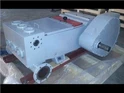
As a plunger supplier, we offer a wide range of high - quality plungers suitable for various applications. Our plungers are made from durable materials and are designed to provide maximum pressure and suction. In addition to plungers, we also supply a variety of pump parts such as Stuffing Box, Rectangular Seal Ring, and Valve Assembly (Suction,Discharge). These parts are essential for the proper functioning of pumps and can help prevent blockages and other issues in your plumbing system.


Contact Us for Procurement
If you're in the market for a reliable plunger or any of our other products, we'd love to hear from you. Whether you're a homeowner looking to tackle a minor plumbing issue or a professional plumber in need of high - quality supplies, we can provide you with the products you need at competitive prices. Contact us today to discuss your procurement needs and let us help you find the best solutions for your plumbing problems.
References
- "Plumbing for Dummies" by Richard Trethewey and Kate Thompson
- "The Complete Guide to Home Plumbing" by Black & Decker